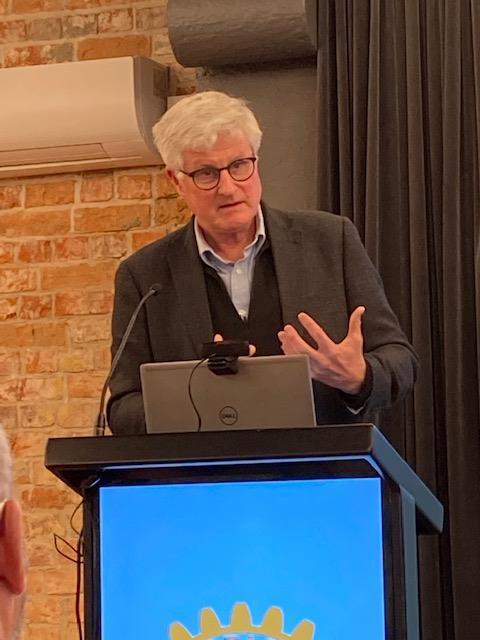
Prof Peter Crampton (Professor of Public Health in Kōhatu, the Centre for Hauora Māori, Otago University) spoke to us at our Thursday lunch meeting about the current Health Reforms.
Peter was born in England and emigrated at age 12, settling in Nelson and then coming to Dunedin to study at Otago Medical School in 1980. He became a GP in Porirua where serving a diverse Māori and Pacifica community highlighted health matters he hadn’t previously had exposure to, channelling his career into public health.
In Dunedin he became the Dean of the Otago Medical School and his work in epidemiology led to involvement in the Health Reform discussion, acting as a member of the review panel advising the Minister on the reforms. This resulted in new legislation, the Pae Ora (Healthy Futures) Act, coming into effect on 1 July this year.
Peter gave us a brief history of the legislation which has driven and underpinned our health system. Our formal public health system was set up in 1938 under the Social Security Act, passed by the first Labour Government. This set up the Welfare State including health care that is free to all people. This system remained stable until the 1980’s when the area health boards were brought in. In the 1990’s the market forces philosophy brought new changes including the purchaser/provider split, for example Pharmac.
Peter then went on to explain what is different about the new system. Until July this year we had a health system which combined health and disability and centred on the Ministry of Health with delivery of services coming through the 20 Health Boards. The reforms effect the biggest merger in history- the 20 Health Boards are combined into one national organisation with a $20 billion dollar budget. This organisation is in the process of being formed and the structures are being worked on at present. The recommendation of the review panel was a reduction to 12 Boards. The new system is somewhat similar to that in the UK. There is a central architecture with all delivery aspects centred on Te Whatu Ora - Health New Zealand. There will be a smaller organisation, Te Aka Whai Ora - Māori Health Authority, which will critique and input into the work of Te Whatu Ora as well as commission Kaupapa Ora Māori Services throughout the country. The Ministry of Health retains its role in giving policy advice.
Disability services are split off into a new Ministry of Disabled People called Whaikaha (meaning to have strength, to have ability, to be otherly disabled, to be enabled).
Peter said that the system should have benefits for all New Zealanders, for example in procurement and consistency of service delivery, but will also have weaknesses which are mainly around the issue of local voice – ensuring that local needs are heard, understood and responded to. Peter noted the political parties have different views, particularly around the Māori Health Authority.
In question time, Peter was asked what the single biggest difference from the panel’s recommendations and the final outcome. He responded that the 20 Health Boards have been amalgamated into one authority instead of the recommended 8 to 12. But he sees benefits in this structure as it should eliminate the ‘post code lottery’ where services can be accessed vary region to region. The other differences are more on the detail.
Peter was questioned whether the new system would concentrate on short term improvements such as waiting times or longer term such as infrastructure. He answered that this is the first time we have had a central unit responsible for asset management planning where all needs are listed across the country. However there will always be a tension between the desire for lower taxes and the need for investment in social services.


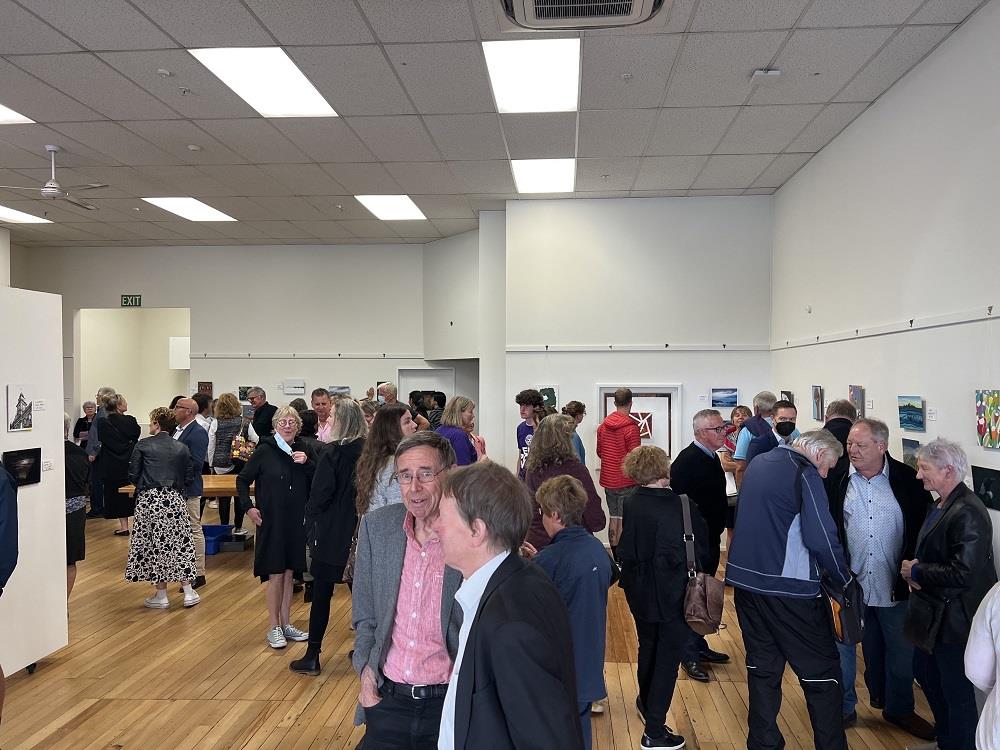
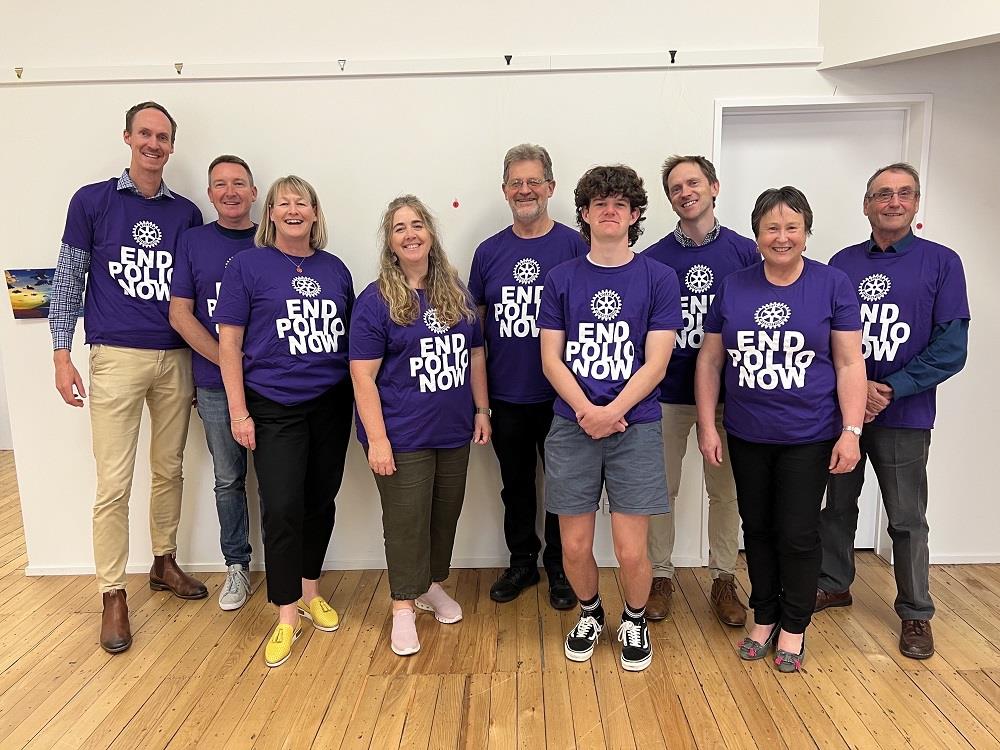 On Thursday Night the Incognito Art show got under way with 60 or so people queued up outside the Dunedin Community Gallery in Princes Street, eagerly waiting their chance to purchase a favourite piece of art, created by an “unknown” artist, hence the term Incognito Art.
 The Youth Committee is getting together at Grant Chirnsides place, 10 Redwoods Lane, Helensburgh on Sunday the 20th of November - 5pm, for a BBQ and some socialising. It seems like a good opportunity for the rest of the club to catch up as well so he's extending the invitation to all members and their families.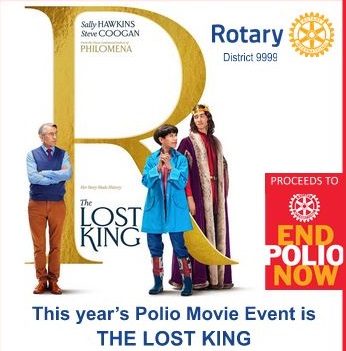

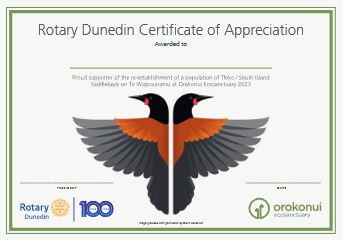 We have a small project team whose goal is to raise funds for our first centenary project! They plan to reward corporates or individuals who support the project with a $600 donation or more, with a unique certificate of appreciation
 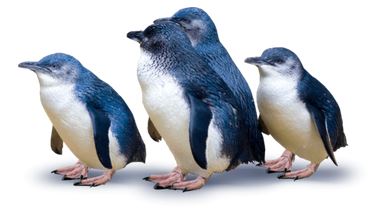 Special reduced price of $30 per person (normally $45).