Behind the scenes of a general election: Anton Ojala from the Electoral Commission
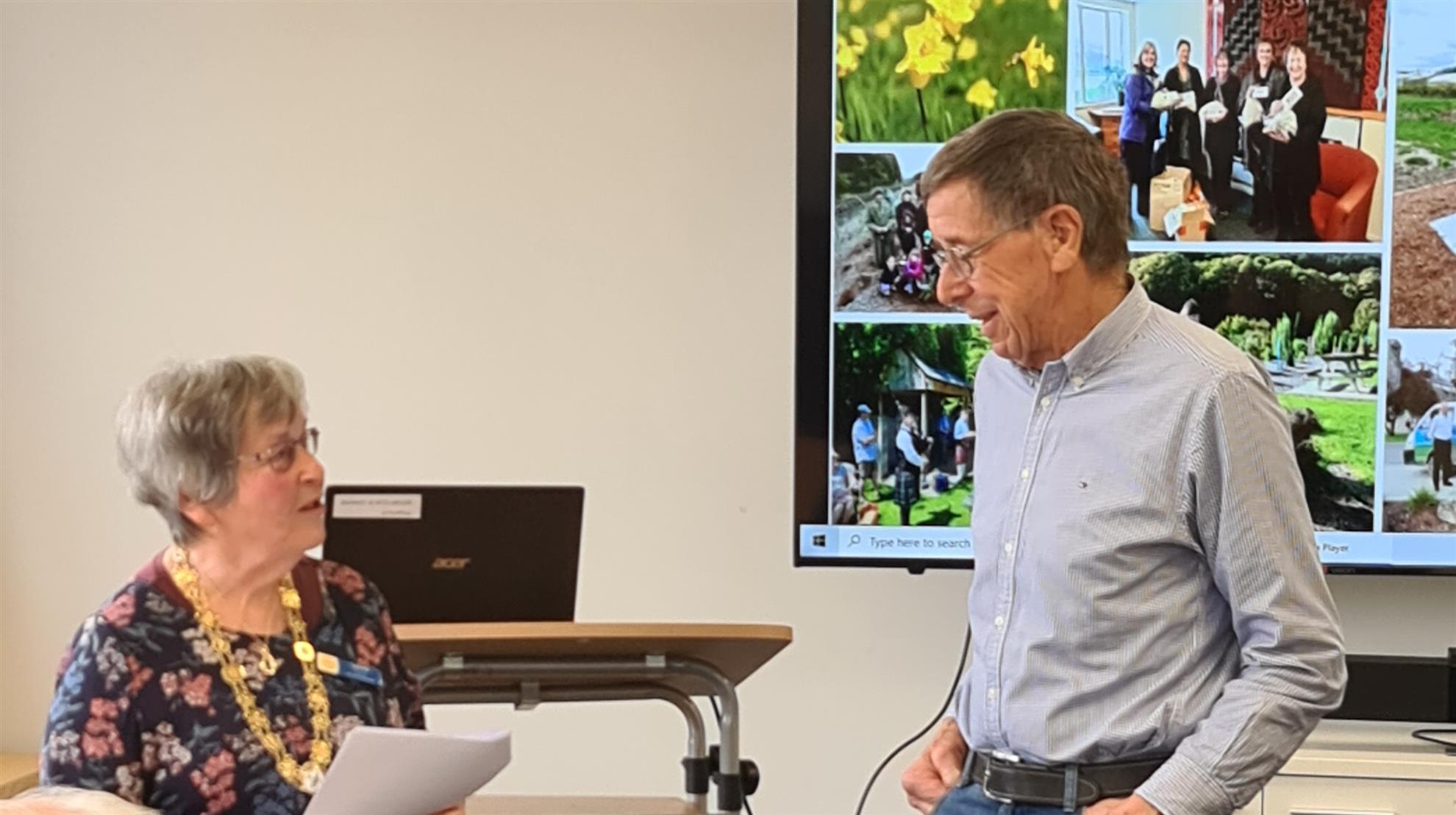
We were fortunate to host Anton Ojala from the New Zealand Electoral Commission, who took us behind the scenes of what it takes to run a general election and looked ahead to the 2026 poll.
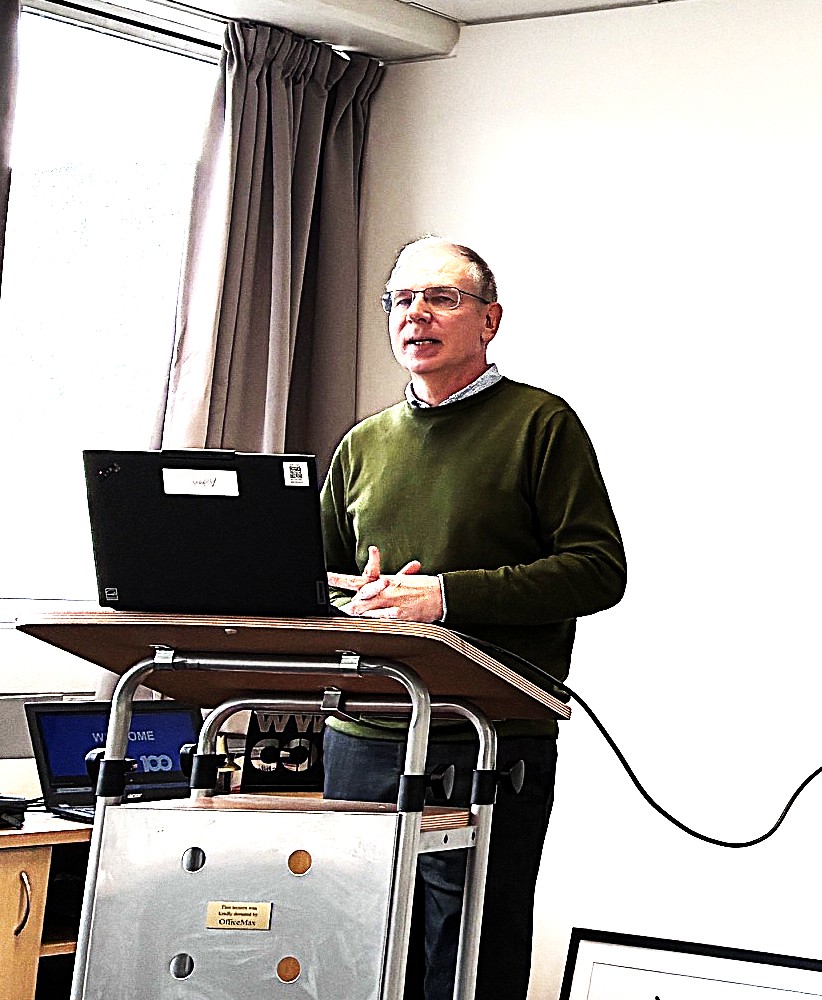
Anton walked us through the full election-year cycle, from setting up headquarters and hiring logistics managers, through packing and distributing ballot papers and electoral rolls, to voting, election day, and the official results. What struck many of us was the sheer scale of the operation. Nationally, the last election involved more than 24,000 temporary roles filled from 47,542 job applications, over 9 million ballot papers printed, and more than 3.4 million EasyVote packs sent out.
Closer to home, Dunedin holds the distinction of being the youngest electorate in the country, with a highly mobile population. In 2023, 92 percent of Dunedin was enrolled and turnout reached 81 percent, three points above the national average. Around 48,000 votes were cast across advance and election-day voting, with well over half of those cast in advance.
Anton also outlined the work that carries on well after the polls close, including the official count, scrutiny of the rolls, processing of special and dual votes, and the final declaration of results.
For those keen to mark their calendars, the key dates for the 2026 election are:
4 October: Writ Day, and the last day to enrol to appear on the printed roll
25 October: Roll closes
26 October: Advance voting starts
7 November: Election Day
27 November: Results declared
Our thanks to Anton for a genuinely eye-opening look at the machinery behind our democracy.